



Types of Oils, Their Properties, and Applications


Palm Oil and Palm Kernel Oil: A Treasure of Health and Nutrition
The oil palm, native to Africa, was first cultivated in countries such as Angola and Togo. Its propagation and commercial cultivation began in 1848 in countries like Malaysia, Indonesia, and the Philippines. Today, palm oil is the second most widely used vegetable oil in the world, after soybean oil, and it also holds the highest export volume among all vegetable oils.
Malaysia, with a slight lead over its competitors, remains the largest producer and exporter of palm oil globally.
Difference Between Palm Oil and Palm Kernel Oil
Palm oil is extracted from the fleshy part of the oil palm fruit and is primarily used in the food industry and edible oils.
Palm kernel oil is obtained from the seed (kernel) of the palm fruit. Chemically and physically, it differs from palm oil and is utilized in separate markets and industries.
Chemical Composition of Palm Oil
The oil palm tree is classified into two types: African and Asian:
✅ African palm contains 4% fruit pulp.
✅ Asian palm has 65% fruit pulp, of which 4% is oil.
Due to its physical and chemical properties, the palm fruit has a short shelf life and must be processed in small oil extraction facilities located near the harvest site. In contrast, the palm kernel can be stored for longer periods and transported to distant locations for oil extraction.
Fatty Acid Composition of Palm Oil
✅ Rich in essential fatty acids such as palmitic acid and oleic acid (making up 80% of the oil’s composition)
✅ Contains other beneficial fatty acids, including palmitoleic acid, linoleic acid, and arachidonic acid
✅ Exhibits a two-phase characteristic at room temperature: due to its unique composition, palm oil separates into liquid and solid fractions at ambient temperature
✅ Contains natural antioxidant compounds, such as tocopherols and tocotrienols, of which 50% remain in the oil even after refining
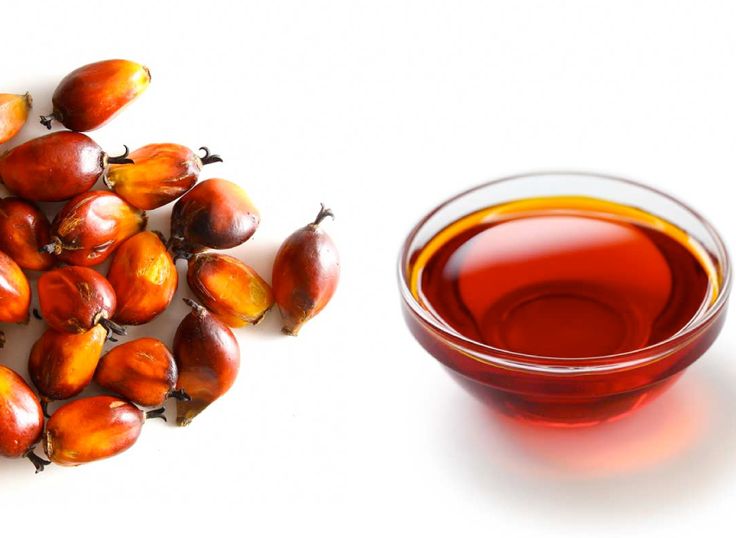
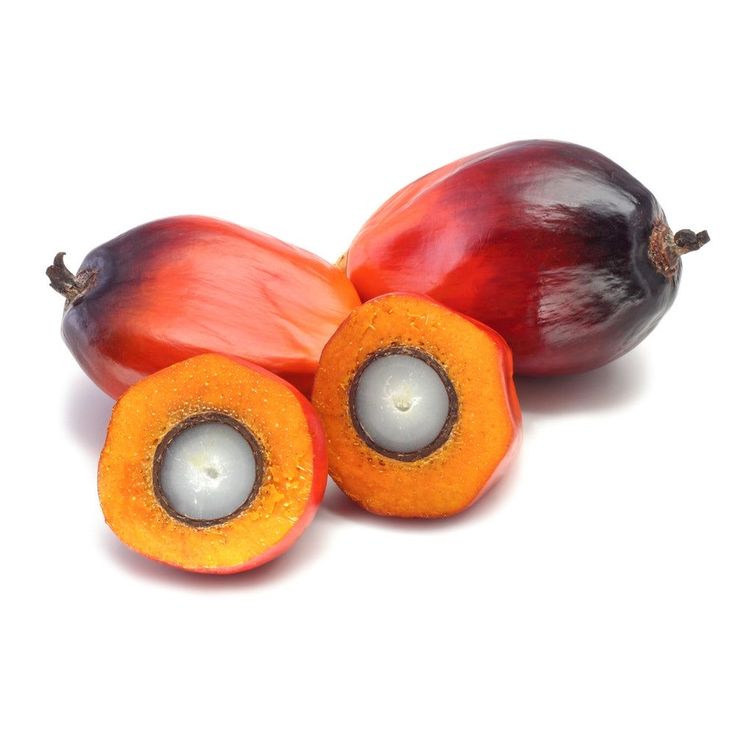
Nutritional Value and Vitamins in Palm Oil
Like other fats, each gram of palm oil provides 9 kcal of energy. It is also a rich source of vitamins A, D, and E.
🔹 Pro-vitamin A: Raw palm oil is high in beta-carotene. In many countries, red-refined palm oil is used to prevent and treat vitamin A deficiency.
🔹 Vitamin E: Palm oil contains both tocopherols and tocotrienols, which play a crucial role in combating free radicals and slowing the aging process.
Palm oil and palm kernel oil, due to their unique composition and nutritional properties, are widely used in the food, pharmaceutical, and personal care industries. These oils, rich in natural antioxidants and essential vitamins, play a vital role in maintaining overall health, strengthening the immune system, and preventing age-related diseases.
Castor Oil: A Natural Treasure with Amazing Applications
Castor oil, one of the most unique vegetable oils, is extracted from the seeds of the castor plant (Ricinus communis). Due to its distinctive composition and remarkable properties, this oil holds a special place in various industries, including medical, cosmetic, personal care, and industrial sectors. Approximately 90% of castor oil consists of ricinoleic acid, an unsaturated fatty acid that gives the oil its unique characteristics.
Wide Applications of Castor Oil
Castor oil and its derivatives have numerous applications across various industries:
Food Industry: Occasionally used as a food additive and in soup preparation.
Automotive Industry: Serves as hydraulic oil and brake fluid.
Chemical Industry: Utilized in the production of paints, inks, cold-resistant plastics, waxes, and polishing agents.
Textile Industry: Applied in the manufacturing of nylon and synthetic fibers.
Cosmetic and Personal Care Industry: Valued for its moisturizing and softening properties, it is used in skincare and haircare products.
Medicinal and Health Benefits
Only about one percent of the castor oil produced worldwide is used for medicinal and health purposes. This oil is recognized as a powerful natural laxative and is commonly used to treat constipation. In specific cases, it may also be prescribed as an emetic to empty the stomach contents.
However, excessive or uncontrolled consumption of castor oil can lead to serious side effects. For instance, high intake by pregnant women may induce premature labor. In rare cases, consuming very large amounts (such as an entire bottle) can pose life-threatening risks.
Key Points About Castor Oil
Taste and Odor: Castor oil is known for its strong and unpleasant taste and smell, which is why it is rarely consumed in its pure form.
Ricin Toxicity: During the production of castor oil, a toxic substance called ricin is generated as a byproduct. Ricin is extremely dangerous and must be safely removed and disposed of from the production environment.
Rice Bran Oil: Heart-Friendly and a Treasure of Health
Rice Bran Oil, this remarkable product, is extracted from the outer brown layer of rice. Interestingly, only 8% of the weight of unprocessed rice is bran, yet this small portion contains 15 to 20% oil! This oil is not only an excellent choice for cooking but, due to its exceptional nutritional properties, is also recognized as heart-friendly.
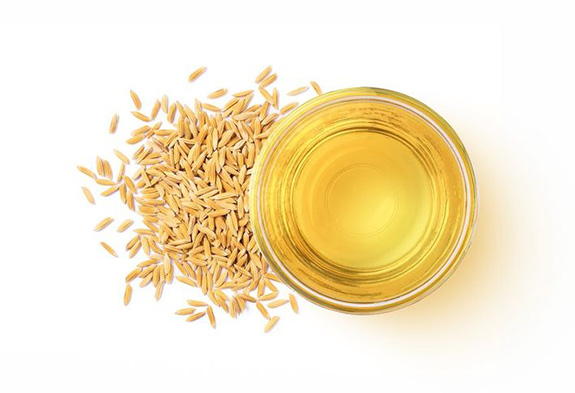
Nutritional Benefits of Rice Bran Oil
Rice bran oil, rich in essential fatty acids and beneficial compounds, is an excellent choice for maintaining overall health. Some of its key benefits include:
Reducing Bad Cholesterol and Increasing Good Cholesterol:
Studies show that incorporating this oil into the diet can significantly lower LDL (bad) cholesterol while raising HDL (good) cholesterol. This makes it an ideal option for individuals following low-fat diets.
High Oxidative Stability:
One of the greatest advantages of rice bran oil is its resistance to oxidation. Thanks to natural antioxidants such as vitamin E and oryzanol, the oil remains stable and durable. This not only extends its shelf life but also enhances the flavor and quality of cooked foods.
Suitable for Cooking:
Rice bran oil has a high smoke point (245–257°C), making it ideal for frying and high-temperature cooking. However, due to the presence of linolenic acid (a polyunsaturated fatty acid), it is recommended not to expose it to prolonged high heat to preserve its valuable nutritional properties.
Applications of Rice Bran Oil
This oil, with its light color and pleasant taste, has wide-ranging uses in the food and cosmetic industries:
In Cooking:
Rice bran oil is used for making sauces (such as mayonnaise), margarine, and as a salad
Walnut Oil: A Treasure of Health and Energy
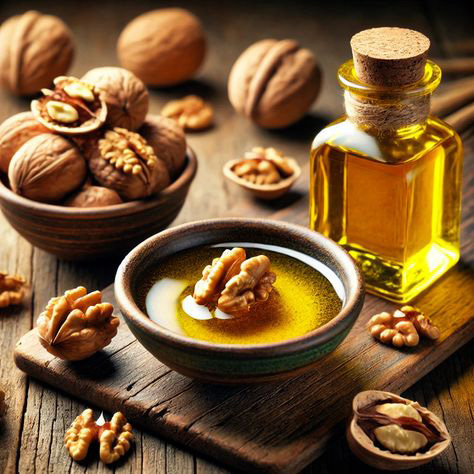
Walnuts, these delicious and nutritious nuts, are often called "brain food" due to their resemblance to the human brain. But this nickname goes beyond their appearance—walnuts are rich in omega-3 fatty acids, essential for proper brain and body function. Walnut oil, extracted from these powerful nuts, not only offers a delightful taste but also delivers numerous health and therapeutic benefits.
Why Choose Walnut Oil?
Rich Source of Omega-3:
Just four walnut halves a day can meet the body’s essential omega-3 fatty acid needs. These healthy fats are vital for brain function, heart health, and a strong immune system.
Heart-Friendly:
About 15% of walnut fats are unsaturated, helping to reduce bad cholesterol (LDL) and increase good cholesterol (HDL). Daily consumption of walnuts can aid in preventing heart disease.
Packed with Antioxidants:
Walnuts are among the best sources of antioxidants in nuts. These compounds protect the body against free radicals and reduce the risk of cancer and chronic diseases.
Coconut Oil: A Natural Miracle for Health and Beauty
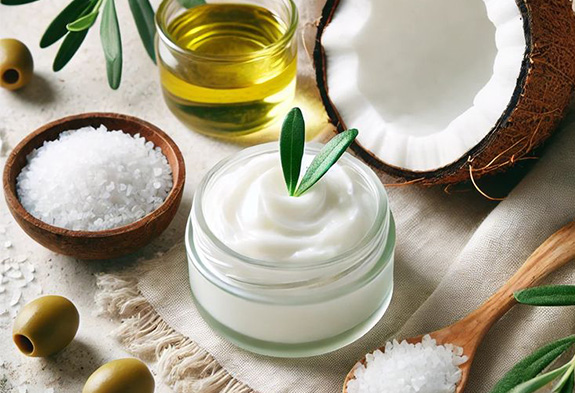
Coconut oil, extracted from the fruit of the coconut tree, boasts unique properties that make it highly versatile in both cooking and the cosmetic and personal care industries.
Features and Benefits:
Rich in Lauric Acid: This medium-chain fatty acid possesses antibacterial, antifungal, and anti-inflammatory properties.
Healthy Cooking: Ideal for cooking, frying, and preparing a variety of dishes.
Skin and Hair Care: Acts as a natural moisturizer and strengthens the texture of skin and hair.
Immune System Support: Moderate consumption of coconut oil may help enhance immune system function.
This oil combines delightful flavor with therapeutic benefits, making it an excellent choice for a healthy lifestyle and natural beauty.
Almond Oil: Nature’s Gift for Your Health and Beauty
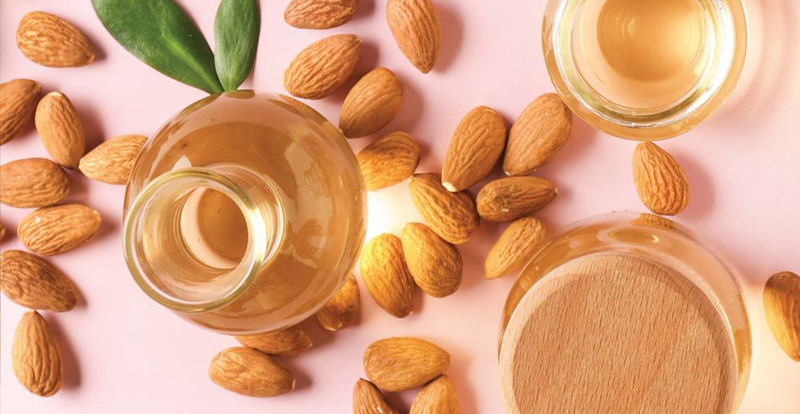
Almond oil, with its remarkable properties and versatile uses, is an excellent choice for enhancing both health and beauty. From lowering cholesterol and boosting the immune system to moisturizing the skin and strengthening hair, this natural oil can help you lead a healthier, more radiant life. By incorporating almond oil into your diet and skincare and haircare routines, you can enjoy its amazing benefits while savoring its delightful taste and aroma.
How to Use Almond Oil at Home
Face Mask:
Mix a few drops of almond oil with natural honey and apply it to your skin. After 15 minutes, rinse with lukewarm water. This mask helps to moisturize and nourish the skin.Hair Mask:
Combine almond oil with coconut oil and massage it into your hair and scalp. Leave it for 30 minutes, then wash with shampoo. This mask strengthens hair and adds softness.Massage Oil:
Use almond oil as a massage oil. It helps relieve muscle aches and improves blood circulation.
Historical Background of Corn
Before the year 1492, corn was not recognized as a cultivated crop in Asia, Europe, or Africa. However, in Central America, it had been grown for centuries by the indigenous Native American tribes. The Latin name of this plant is derived from one of these tribes, called Marisi Mahig.
Medicinal Benefits of Corn and Its Oil
In traditional Iranian medicine, corn is considered to have a cold and dry nature and is believed to offer numerous therapeutic benefits:
Cancer Prevention: Corn is regarded as a nutritious food that can help in preventing cancer.
Dental Health: Regular consumption of corn may help prevent tooth decay.
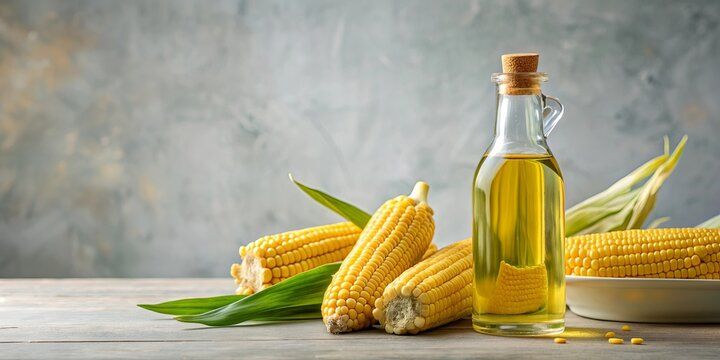
Treatment of Skin Conditions: Corn oil is highly effective in treating eczema and other skin disorders.
Cholesterol Reduction: Corn oil helps lower bad cholesterol (LDL), supporting heart and vascular health.
Wound Healing: An ointment made from dried corn can aid in drying and healing wounds.